
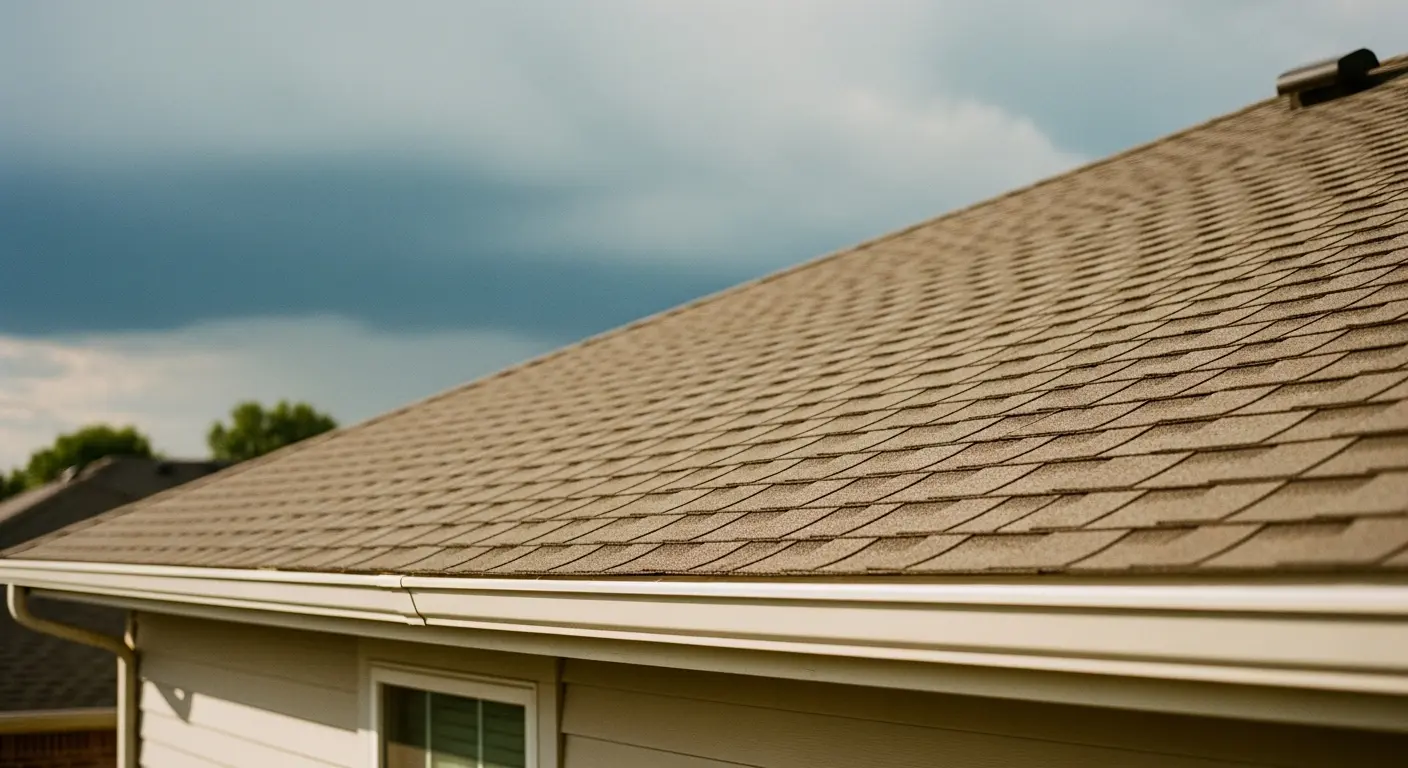
The rainy season can quickly expose roofing problems that have gone unnoticed for months. A loose shingle, clogged gutter, cracked seal, or damaged flashing can turn into an active leak once heavy rain begins.
Preparing your roof ahead of time helps protect your home, reduce repair costs, and extend the life of your roofing system.
Why Roof Preparation Matters Before Heavy Rain
Your roof is your home’s first line of defense against water, wind, and moisture. When small issues are ignored, they can lead to damaged decking, wet insulation, stained ceilings, mold growth, and interior repairs.
A preventive roof inspection can help identify problems before they become emergencies.
| Common Roofing Issue | Risk If Ignored | Urgency Level |
|---|---|---|
| Missing or broken shingles | Direct water intrusion | High |
| Clogged gutters | Water overflow and fascia damage | High |
| Damaged flashing | Leaks around chimneys, vents, or skylights | High |
| Cracked sealant | Localized roof leaks | Medium |
| Moss or debris buildup | Moisture retention | Medium |
| Poor attic ventilation | Condensation and premature roof aging | Medium |
Roof Preparation Checklist
Use this checklist before the first heavy rain of the season.
| Task | What to Check | Recommended Action |
|---|---|---|
| Inspect shingles | Look for lifted, curled, cracked, or missing shingles | Repair or replace damaged areas |
| Clean gutters | Remove leaves, branches, dirt, and blockages | Clear gutters and downspouts completely |
| Check flashing | Inspect chimneys, skylights, vents, and roof joints | Seal or repair damaged flashing |
| Review roof sealants | Look for cracks around roof penetrations | Apply exterior-grade roofing sealant |
| Inspect the attic | Check for stains, moisture, mold, or daylight | Identify possible leaks from inside |
| Trim nearby branches | Look for limbs touching or hanging over the roof | Trim branches to reduce impact and debris |
| Check drainage | Watch for standing water or poor runoff | Correct slope issues or blockages |
| Schedule a professional inspection | Look for hidden or hard-to-reach damage | Book an inspection before severe weather |
Warning Signs You Should Not Ignore
Some signs may indicate your roof needs immediate attention. Catching them early can help prevent larger damage.
| Warning Sign | Possible Cause | Suggested Action |
|---|---|---|
| Ceiling stains | Active or previous roof leak | Inspect the attic and roof surface |
| Musty smell indoors | Trapped moisture or poor ventilation | Request a roof and attic inspection |
| Granules in gutters | Asphalt shingle wear | Evaluate roof condition |
| Lifted shingles | Wind damage, aging, or poor installation | Repair promptly |
| Overflowing gutters | Clogged or incorrectly sloped gutters | Clean and adjust drainage |
| Peeling paint near roofline | Ongoing moisture exposure | Check ventilation and leak sources |
Common Roof Preparation Mistakes
Many homeowners only think about their roof after a leak appears. By then, the damage may already have spread beyond the roof surface.
| Mistake | Why It Is a Problem | Better Practice |
|---|---|---|
| Waiting until a leak appears | Interior damage may already be developing | Inspect before rainy season |
| Ignoring gutters | Water can damage fascia, siding, and foundation areas | Clean gutters regularly |
| Using the wrong sealant | It may fail quickly or damage roofing materials | Use roofing-compatible products |
| Walking on the roof without experience | Risk of injury and shingle damage | Hire a professional inspector |
| Skipping the attic inspection | Many leaks show up inside first | Check the attic after heavy rain |
How Often Should a Roof Be Inspected?
A roof should be inspected at least twice a year: once before the rainy season and once after severe weather. Additional inspections are recommended after hail, high winds, falling branches, or major exterior work near the roof.
| Recommended Time | Purpose |
|---|---|
| Before rainy season | Prevent leaks before heavy rain begins |
| After major storms | Detect new storm-related damage |
| Before selling a home | Avoid surprises during home inspections |
| After nearby exterior work | Confirm no accidental roof damage occurred |
| Every 6 months | Maintain general roof health |
Final Roof Maintenance Tips
Good roof maintenance does not always require major repairs. Simple steps like cleaning gutters, removing debris, replacing damaged shingles, and checking flashing can make a big difference.
Before the next heavy rainfall, make sure water can drain properly, roof penetrations are sealed, and your attic shows no signs of moisture.
When visible damage is present or the roof condition is uncertain, scheduling a professional inspection is the safest option. A timely roof evaluation can help prevent expensive repairs, protect your home’s structure, and give you peace of mind throughout the rainy season.